To store cash long term effectively, you must maintain a stable environment with a relative humidity of 45-55% and temperatures below 70°F using archival-safe materials. While many savers focus on concealment, the primary threat to physical currency is chemical degradation caused by improper housing materials like PVC and moisture-induced fungal growth. Understanding the chemistry of the cotton-linen blend used in banknotes is the first step in moving beyond common myths toward professional-grade preservation that ensures your liquid assets remain legal tender for decades.
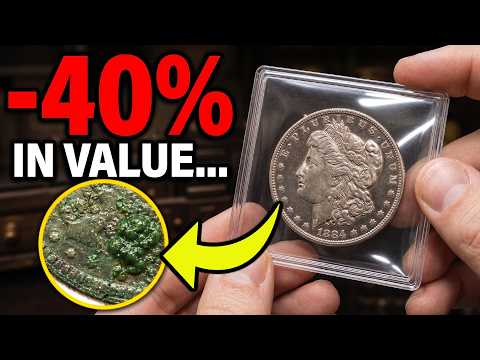
Image taken from the YouTube channel Wade Henderson , from the video titled Why Storing Coins in PVC Flips Is Secretly DESTROYING Their Value (And How You Could PREVENT It) .
The Chemistry of Currency Degradation
Physical currency is a resilient 75% cotton and 25% linen blend, but it remains an organic material susceptible to cellulose breakdown and fungal rot when exposed to moisture.
Understanding how to store cash long term begins with recognizing that banknotes are more akin to high-end textiles than standard wood-pulp paper. The specific ratio of cotton to linen provides the durability required for daily circulation, yet these natural fibers are inherently hydroscopic. This means they naturally absorb moisture from the surrounding atmosphere, which triggers a slow but inevitable process of cellulose breakdown.
Cellulose and Environmental Sensitivity
When environmental conditions are not strictly controlled, the structural integrity of the bill begins to fail. In high-humidity environments, the fibers expand, and the internal bonds of the cellulose begin to weaken. This makes the bill feel limp or "soft" to the touch, a precursor to more severe structural damage.
Without proper intervention, this moisture-rich environment becomes the perfect breeding ground for biological contaminants. If the currency remains in a damp state, the physical structure will eventually undergo a chemical transformation that compromises the very fibers that give it value.
The Role of Micro-Organisms in Ink Fading
Micro-organisms, specifically mold and fungal spores, thrive on the organic components of currency. These spores are often present on the bills from their time in circulation. When activated by moisture, they consume the sizing agents used in the printing process, leading to severe discoloration and fungal rot.
Furthermore, while the ink used by the Bureau of Engraving and Printing is highly sophisticated, it is not immune to chemical shifts. Excess moisture can cause the ink to migrate or "ghost" onto adjacent bills, significantly reducing the bill's legibility and potential numismatic value. Protecting cash requires a sterile approach to handling and an aggressive defense against ambient moisture.
Currency is organic; treat it like a rare book or textile.
Environmental control is the foundation of preservation.
The PVC Hazard: Avoiding Chemical Corrosion
Never store cash in standard plastic sleeves or bins containing Polyvinyl Chloride (PVC), as these materials release hydrochloric acid (off-gassing) that turns bills yellow and sticky.
When people research how to store cash long term, they often mistakenly reach for common household storage bins or office-grade sheet protectors. Most of these consumer plastics contain Polyvinyl Chloride (PVC), which uses chemical plasticizers to remain flexible. Over time, these chemicals migrate out of the plastic in a process known as off-gassing.
Identifying Archival-Safe Polypropylene
The chemical byproduct of PVC degradation is essentially hydrochloric acid, which creates a highly acidic micro-environment for your currency. You can identify the presence of PVC through several warning signs that indicate your storage medium is actively destroying your cash. If you notice any of these, immediate transfer to a safer material is required:
- Yellowing edges on the currency that match the plastic sleeve.
- An oily residue or "tackiness" on the surface of the bills.
- A distinct, sharp acidic smell when the container is opened.
To avoid this, collectors and preservationists must switch to PVC-free, acid-free polypropylene or archival-grade polyester. These materials are chemically inert and do not undergo the same breakdown process, ensuring that the currency remains pristine for decades without chemical interference.
The Mylar Advantage for Banknotes
The gold standard for long-term preservation is Mylar (a brand of biaxially-oriented polyethylene terephthalate). Unlike standard plastics, Mylar is a high-density material that provides an exceptional barrier against gases and moisture. It is the same material used by the Library of Congress for the preservation of historical documents.
By sealing currency in Mylar sleeves, you create a physical barrier that prevents the ink from interacting with the air while blocking external pollutants. This prevents the "sticky bill" syndrome and ensures that the physical crispness of the cotton-linen blend is maintained regardless of external chemical stressors.
Only use PVC-free, acid-free archival sleeves.
Once materials are selected, climate control becomes the priority.
Optimal Temperature and Humidity Specs
The gold standard for long-term cash storage is a consistent temperature of 60-68°F paired with a controlled relative humidity of exactly 50%.
Consistency is the primary goal when determining how to store cash long term. Paper and textile materials are subject to mechanical stress whenever the environment changes. When the air warms, the fibers expand; when it cools, they contract. This cycle, known as thermal cycling, eventually leads to microscopic cracks in the ink and a loss of the bill's "crispness."
The Danger of Fluctuating Humidity
Humidity is perhaps the most dangerous variable in the preservation equation. If the air is too dry, the cotton fibers lose their natural flexibility and become brittle, leading to tearing or cracking when the bill is handled. Conversely, high humidity triggers the growth of mold and mildew, which can destroy a cash hoard in a matter of months. The following table illustrates the impact of humidity on banknote health:
| Humidity Levels | Preservation Result |
|---|---|
| 40% and lower | Brittle paper; high risk of physical cracking and fiber breakage. |
| 50% | Optimal; provides the perfect balance for fiber elasticity and ink stability. |
| 65% and higher | Mold risk; rapid growth of spores and potential for catastrophic rot. |
Using Silica Gel Packets Correctly
To maintain these specific levels, many users employ silica gel packets. However, there is a common misconception that "more is better." Using too much desiccant can drop the humidity below the 40% threshold, causing the currency to become dangerously dry and brittle.
The correct approach is to use "indicating" silica gel, which changes color when it has reached its moisture capacity. This allows you to monitor the environment and react before the humidity levels spike. For large-scale storage, an active dehumidification system within the storage room is far superior to passive packets tucked inside a safe.
Stability is more important than the exact temperature.
Moving from science to application, we must debunk high-risk storage myths.
Debunking the Freezer and Burial Myths
Storing cash in freezers or burying it underground are the most common causes of total loss due to condensation cycles and catastrophic seal failure.
In the quest to hide assets, many people ignore the basic science of how to store cash long term in favor of "security through obscurity." The freezer is a particularly dangerous choice because of the constant humidity fluctuations. Every time the freezer cycles or the door is opened, moisture condenses on the cold surfaces of the storage container. If even a microscopic amount of air is present inside the container, this condensation will eventually lead to ice crystals forming directly on the bills, destroying the fibers.
Condensation and Thermal Cycling
Burying cash underground presents even greater risks. Soil is a living, breathing ecosystem teeming with bacteria, fungi, and varying levels of acidity. Even "watertight" PVC pipes or ammo cans eventually succumb to the pressure of the earth and the corrosive nature of groundwater. Once a seal fails, the currency is subjected to a dark, damp environment that accelerates rot faster than almost any other condition.
The primary issue with DIY "airtight" solutions is the trapping of ambient moisture at the time of sealing. This is particularly relevant when considering the risks of vacumized money, which can inadvertently lock in a high-humidity micro-climate that feeds mold spores in a low-oxygen environment.
The Critical Risks of Vacumized Money
While vacuum sealing seems like a logical solution to prevent oxidation, it often creates a "pressure cooker" effect for mold. If the bills are not professionally dehydrated before being vacuum sealed, the remaining moisture in the cotton fibers is trapped against the surface of the bill. Without air circulation, any fungal spores present will consume the organic material rapidly.
True preservation requires an environment that is stable and controlled, rather than simply hidden. Relying on kitchen appliances or holes in the ground for financial security is a recipe for catastrophic failure. Instead, focus on high-quality containers that allow for the monitoring of the internal environment.
Avoid environments with extreme temperature swings. Understanding the risks of vacumized money is essential before attempting airtight storage to avoid trapping internal moisture.
The final step is choosing the right physical container.
The Ultimate Containment Hierarchy
The most secure way to store cash long term is a multi-layered approach: archival Mylar sleeves inside a waterproof, fire-rated safe with active desiccant monitoring.
To achieve maximum longevity, you must implement a redundant defense system. This strategy ensures that if one layer of protection fails, the others continue to shield the currency. The foundation of this hierarchy is the individual protection of each bill using Mylar sleeves, which prevents physical contact and chemical migration between notes.
Fireproof Safe Vapor Risks
While a fireproof safe is essential for physical security, it presents a hidden danger for how to store cash long term. Fireproof safes are designed with a moisture-rich insulation (often a hydrated alum or gypsum) that releases steam during a fire to keep the interior cool. In a non-fire situation, this moisture can seep into the safe's interior, creating a high-humidity "humidor" effect that rots cash.
To combat this, you must use a secondary "hard case"—such as a high-grade Pelican case or a sealed ammunition can with a fresh gasket—inside the safe. This hard case acts as the primary moisture barrier. Inside this case, you should place your Mylar-sleeved currency and a hygrometer to monitor internal conditions.
Organizing for Long-Term Access
Proper organization is not just about neatness; it is about minimizing the need to handle the bills. Every time currency is touched, skin oils and salts are transferred to the fibers, which can attract pests or cause staining over decades. Using a structured containment hierarchy allows you to audit your holdings without exposing the notes to the elements.
The ideal setup follows this flow: Mylar -> Hard Case -> Safe -> Dehumidifier. By placing the safe in a room with a dedicated dehumidifier, you create a tiered environment where each layer becomes progressively more stable. This redundancy is what separates a temporary "stash" from a multi-decade preservation strategy.
Redundancy in protection prevents single-point failure.
While the technical requirements for preserving paper currency are strict, visual demonstrations of archival-safe materials can help you identify the right tools for your home vault.
Visual Guide to Professional Cash Preservation
How to Store Cash Long Term FAQ
Address the most common concerns regarding the safety and legality of physical cash preservation with these expert-vetted answers.
Why is PVC considered dangerous for long-term cash storage?
PVC is hazardous to currency because it releases hydrochloric acid and volatile plasticizers that chemically decompose banknote paper and ink over time. This chemical degradation process results in a characteristic sticky residue and permanent staining that can render the currency structurally unsound.
To ensure scientific preservation, experts recommend using PVC-free, archival-quality sleeves. Materials such as biaxially-oriented polyethylene terephthalate (BOPET), commonly known as Mylar, are chemically inert and provide the safest environment for long-term storage.
Is storing cash in a freezer a scientifically sound preservation method?
Storing cash in a freezer is not recommended because high humidity levels and the risk of condensation can lead to rapid mold growth and fungal decay. While many believe a freezer provides fire protection, the moisture fluctuations during defrost cycles or power outages pose a significant threat to the organic fibers of banknotes.
For effective protection, a UL-rated fireproof safe is a superior alternative. These units are specifically engineered to maintain internal temperatures and humidity levels that protect paper documents from both heat and moisture damage.
How do you properly use silica gel to protect physical currency?
Silica gel should be placed within an airtight container to regulate internal relative humidity (RH) and prevent moisture-induced paper degradation. Maintaining a stable RH between 30% and 50% is critical to prevent the currency from becoming too brittle or supporting microbial growth.
Ensure that the silica packets do not come into direct physical contact with the banknotes to avoid localized over-drying. It is also necessary to monitor the desiccant periodically and recharge or replace the packets once they have reached their moisture absorption capacity.
What is the difference between vacuum sealing and archival storage for cash?
Vacuum sealing focuses on creating an airtight moisture barrier, whereas archival storage prioritizes the use of chemically inert materials to prevent acidic decomposition. Most vacuum-seal bags are made from plastics that may off-gas over time, potentially trapping harmful vapors directly against the currency.
Archival storage using acid-free paper or Mylar is the gold standard for preserving the physical integrity of the notes. For maximum protection, specialists recommend placing cash into archival sleeves before vacuum sealing them, combining chemical stability with a secondary moisture defense.
Successfully learning how to store cash long term is a balance of chemistry and security. By eliminating reactive plastics like PVC and maintaining a strictly controlled climate, you prevent the natural degradation that claims so many home savings. However, physical preservation is only half the battle; for those utilizing modern sealing technology, it is crucial to review the specific risks of vacumized money to ensure your storage method doesn't inadvertently destroy your wealth from the inside out.