The precision of a celestial masterpiece depends entirely on the 'snap' and point retention of your toolkit. While many artists struggle with splayed bristles that ruin fine-point detailing, selecting the best brushes for painting stars—specifically high-grade synthetic liners and specialized fan tools—allows for the controlled application of distant galaxies. This guide explores the specific equipment necessary to execute the advanced methods found within our broader masterclass on painting star techniques.
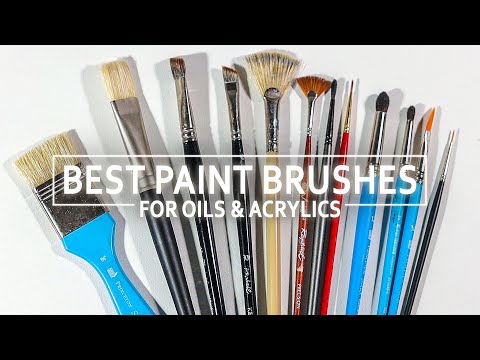
Image taken from the YouTube channel Chuck Black , from the video titled 10 Best Brushes for Painting for Acrylics and Oils .
Synthetic vs. Natural Hair for Star Detailing
Synthetic Taklon brushes are the superior choice for painting stars because their high 'snap' factor allows for crisp, controlled points that natural sable hair often lacks when used with heavy-bodied paints.
When selecting the best brushes for painting stars, artists must prioritize bristle tension. Synthetic fibers, specifically high-grade gold or white Taklon, provide the mechanical resistance necessary to keep a tip from splaying under the slightest pressure.
This "spring-back" or "snap" is essential when you are attempting to place a microscopic dot of titanium white onto a dark canvas. If the brush tip gives way too easily, the star becomes an irregular blob rather than a sharp, focused point of light.
Natural hair brushes, such as Kolinsky sable, are prized for their fluid delivery in traditional watercolor. However, in the context of celestial detailing with heavy acrylics or oils, they often lack the rigidity needed for precise placement.
- Pros of Synthetic: High spring-back for precision, extreme durability against harsh pigments, and significantly more affordable for experimental techniques.
- Pros of Natural: Exceptionally high water-carrying capacity, ultra-smooth paint flow, and superior soft blending for surrounding nebulas.
Experienced painters often reserve their natural hair brushes for the soft, smoky gradients of a nebula. For the stars themselves, the mechanical reliability of a synthetic tip is unmatched for consistent execution.
Opt for high-quality synthetics for individual stars and natural hair for soft nebula blending.
By understanding the physical limitations of each fiber type, you can better manage how the paint interacts with the surface. This ensures that every celestial body maintains its intended luminosity and sharpness without accidental smearing.
Moving from fiber types to the specific shapes that define star morphology.
The Core Star Painting Toolkit: Liners, Fans, and Styli
For precise individual stars, a #0 or #000 liner brush is the industry standard, whereas fan brushes are essential for creating the dense, organic clusters characteristic of the Milky Way.
Building a professional collection requires a nuanced understanding of tool diversity. Different brush shapes produce distinct astronomical effects, ranging from sharp distant suns to hazy galactic dust clouds.
Precision Liner Brushes
Liner brushes, also known as riggers, feature long, thin bristles designed to hold a significant amount of thinned paint. This allows for a steady, continuous stroke that is vital for adding "twinkle" rays or diffraction spikes to larger stars.
When using a liner, the key is to thin your paint to an "ink-like" consistency. This ensures the pigment flows off the tip the moment it touches the canvas, preventing the need for excessive pressure that could distort the star's shape.
Fan Brushes for Splatter Effects
While liners handle the focal points, fan brushes are the workhorses of the background. By loading a stiff fan brush with slightly diluted paint and flicking the bristles, you create a randomized spray of thousands of tiny dots.
This technique mimics the natural randomness of deep space far more effectively than painting each star individually. If you want to master these applications, consult our star painting equipment guide to learn how to layer these tools for maximum depth.
| Brush Shape | Best Use Case | Star Effect |
|---|---|---|
| Liner | Individual focal stars | Sharp pinpoint |
| Fan | Milky Way clusters | Atmospheric spray |
| Dotting Tool | Perfectly round planets | Uniform spheres |
Each layer of splatter adds a new dimension to the celestial plane. Combining the controlled output of a liner with the chaotic spray of a fan brush results in a sophisticated, multi-layered night sky.
A combination of liners for detail and fans for texture creates the most realistic depth.
Choosing the right tool is not just about the brand, but about how the shape interacts with your specific medium. Liners provide the control, while fans provide the chaos needed for a convincing cosmic backdrop.
Beyond the standard shapes, specialized tools can offer a unique edge for celestial artists.
Specialized Star Tools and Unconventional Applicators
Non-traditional tools like metal-tipped dotting styli and stiff-bristled toothbrushes provide a level of size consistency and random distribution that even the best fine-point brushes cannot replicate.
In the pursuit of the best brushes for painting stars, many professionals look beyond the art store aisles. Achieving texture randomization is often easier with tools designed for precision engineering or household utility.
Metal Dotting Styli
A metal dotting stylus, often used in nail art or embossing, features a perfectly spherical tip. Unlike a brush, it does not have bristles that can splay or hold uneven amounts of paint, ensuring a perfect circle every time.
This allows the artist to "stamp" stars of varying sizes with absolute consistency. By choosing a stylus set with multiple tip diameters, you can create a structured hierarchy of star magnitudes across your composition.
The Toothbrush Splatter Method
For the finest "star dust" imaginable, a discarded toothbrush is an elite tool. The stiff bristles can be "charged" with paint and flicked with a thumb to create a mist of microscopic droplets that are much smaller than those from a fan brush.
This method is superior for creating distant, hazy clusters that appear light-years away. The sheer volume of dots created in a single pass provides an organic density that is impossible to achieve through manual dotting.
- Benefits of Styli: Absolute size consistency, easy cleaning between colors, and zero risk of bristle splay over time.
- Benefits of Splatter: True astronomical randomization, high execution speed, and an organic feel that mimics cosmic dust.
Use a metal stylus for perfectly circular stars and a toothbrush for distant background clusters.
Experimenting with these unconventional applicators allows you to break away from the limitations of traditional brushwork. It adds a layer of technical sophistication to your celestial landscapes that feels both professional and unique.
Effective tool use requires proper maintenance, which is a critical component of any star painting equipment guide.
Brush Maintenance: Reshaping for Fine-Point Detailing
To restore a splayed brush to a factory-sharp point, dip the bristles into boiling water for five seconds and immediately apply a specialized brush restorer or hair gel to set the shape while drying.
Maintaining point retention is the most difficult aspect of owning the best brushes for painting stars. Even the most expensive Taklon liner will eventually lose its shape if pigment is allowed to dry deep within the ferrule.
Deep Cleaning Procedures
Never leave your detail brushes sitting tip-down in a water jar, as this permanently bends the fibers. This ruins the precision required for star work; instead, use a horizontal brush holder or a hanging rack to dry your tools.
After each session, use a dedicated soap to remove all traces of binder. Pigment buildup near the metal ferrule is the primary cause of "blooming," where the bristles spread outward and lose their fine-point capabilities.
Point Restoration Techniques
If a brush has already begun to splay, heat-setting is a viable recovery method. The boiling water softens the synthetic fibers, allowing them to be molded back into their original tapered alignment without damaging the integrity of the Taklon.
Applying a light coating of gum arabic or a specialized reshaping gel provides the necessary structure during the drying phase. This "stiffening" process ensures the brush returns to a razor-sharp point for its next use on focal stars.
- Essential Maintenance Supplies: The Masters Brush Cleaner, boiling water for resets, reshaping gel, and protective storage tubes.
Never store brushes face-down and always use a restorer to maintain the 'snap' required for stars.
Regular maintenance extends the life of your professional tools and ensures that your technical execution remains flawless. A well-cared-for brush is the difference between a blurry dot and a piercing, luminous star.
Selecting and maintaining these tools is the final step before applying the techniques found in our core pillar guide.
See these brushes in action as we compare the precision of a liner brush against the organic texture of a fan brush for creating realistic night skies.
Visual Guide: Comparing Star Painting Tools
Frequently Asked Questions About the Best Brushes for Painting Stars
Quickly solve common equipment issues and find the right tools for your specific painting style.
Which brush size is best for the smallest stars?
A size 000 (triple zero) or 20/0 liner brush is the optimal choice for rendering the smallest, most precise stars.
These ultra-fine tips allow for minimal paint delivery, which is essential for microscopic celestial details and distant galaxies.
For maximum control, ensure the brush has high "snap" to prevent the tip from splaying under pressure during application.
Can I use a round brush instead of a liner?
You can use a small round brush for stars, but a liner brush is technically superior due to its longer bristles and increased paint capacity.
While a size 0 round brush can create basic dots, the elongated fibers of a liner (or rigger) provide the steady flow required for consistent shapes without frequent reloading.
If you must use a round brush, ensure it is made of high-quality synthetic fibers that maintain a sharp, needle-like point when wet.
How do I stop my fan brush from making blobs instead of stars?
To prevent blobs, use a "dry brush" flicking technique with minimal paint load and high-viscosity pigment.
Excess moisture or overly thinned paint causes the fan bristles to clump together, resulting in large blotches rather than a fine mist of stars.
Always blot your fan brush on a paper towel after loading to ensure the fibers are separated and the paint is evenly distributed before flicking it onto the canvas.
Why are synthetic brushes better for acrylic stars?
Synthetic brushes are better for acrylic stars because they possess higher "snap" and resist the corrosive nature of acrylic chemical binders.
Unlike natural hair, which can become limp and lose its shape when saturated with water-based media, synthetic Taklon or nylon fibers maintain their structural integrity.
This resilience is critical for the repetitive flicking or dabbing motions used in celestial painting, as it ensures the brush returns to its original shape after every stroke.
Choosing the best brushes for painting stars is a strategic investment in your artistic precision. By curating a kit that balances the sharp snap of synthetic liners with the organic texture of fan brushes and styli, you gain total control over your celestial compositions. To see how to put these tools to work using professional strokes and blending methods, refer back to our comprehensive guide on painting star techniques.
}