Nunu baby powder safety is a critical consideration for parents integrating traditional Indian skincare products into modern infant care routines. While Nunu has been a household name for decades, recent safety shifts emphasize the importance of distinguishing between traditional talc-based formulas and safer cornstarch-based alternatives. As detailed in our comprehensive nunu indian safety guide, understanding these chemical compositions is vital for preventing accidental inhalation and ensuring the long-term respiratory health of your child.
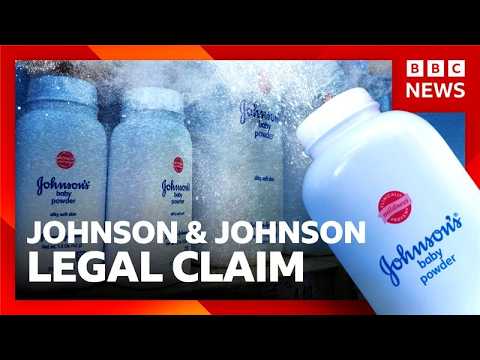
Image taken from the YouTube channel BBC News , from the video titled Thousands in UK sue Johnson & Johnson over talcum powder cancer risks | BBC News .
The Current Nunu Baby Powder Safety Profile
Nunu baby powder safety depends heavily on its base ingredient; while cornstarch versions are generally considered safe for topical use, traditional talc-based versions are increasingly discouraged due to inhalation and contamination risks.
Understanding the safety profile of Nunu products requires a diligent approach to ingredient verification. For decades, talcum powder was the industry standard for keeping infant skin dry and preventing diaper rash. However, recent medical consensus has shifted toward plant-based alternatives because of the inherent geological risks associated with mineral extraction.
When sourcing Nunu products, parents should prioritize formulations that utilize organic starches. Talc is a soft mineral that, when mined, can naturally occur alongside asbestos fibers. Even with modern purification processes, many health organizations suggest that the risk of microscopic contamination remains a concern for sensitive infant health. Selecting a cornstarch-based version eliminates this specific mineralogical hazard entirely.
Topical application of safe powders helps maintain the skin's moisture barrier, but safety is not just about what is in the bottle—it is also about how the product is sourced. Navigating the complexities of imported baby care requires an understanding of different regional manufacturing standards. This safety distinction is a core element of the broader nunu indian safety guide regarding imported care products.
Always verify if your Nunu product is labeled as 'Talc-Free' or 'Cornstarch-Based' before use.
This safety distinction is a core element of the broader nunu indian safety guide regarding imported care products.
Talc vs. Cornstarch: Navigating US Safety Standards
The primary safety concern with talc is the potential for asbestos contamination and the fine mineral particles that can cause chronic lung irritation, whereas cornstarch consists of larger organic particles that do not pose the same mineralogical risks.
The Inherent Risks of Talcum Powder Inhalation
Talcum powder is comprised of hydrous magnesium silicate, a mineral that can be crushed into an incredibly fine dust. The primary danger lies in the size of these particles. When puffed into the air during a diaper change, these microscopic minerals can be easily inhaled by an infant, traveling deep into the small airways of the lungs.
Over time, the inhalation of mineral talc can lead to respiratory distress or chronic lung inflammation. Because the human body cannot easily break down mineral silicates, these particles may remain trapped in lung tissue. This has led many US pediatricians to recommend a total transition away from talc-based Nunu products in favor of safer, degradable alternatives.
| Feature | Talcum Powder | Cornstarch Powder |
|---|---|---|
| Particle Size | Extremely Fine (Mineral) | Larger (Organic) |
| Asbestos Risk | Potential for Contamination | Zero Risk |
| Respiratory Safety | High Risk of Irritation | Significantly Safer |
Why Cornstarch is the Preferred US Alternative
Cornstarch is derived from the endosperm of the corn kernel, making it a food-grade organic material. Unlike mineral talc, cornstarch particles are physically larger and heavier, which means they are less likely to remain airborne in a cloud of dust. If small amounts are accidentally inhaled, the body’s natural clearance mechanisms can manage organic starches more effectively than inorganic minerals.
US regulatory bodies and pediatric associations heavily favor cornstarch because it provides the same moisture-wicking benefits without the carcinogenic baggage associated with talc mines. For parents using Nunu products, switching to a cornstarch base ensures compliance with modern US safety expectations and provides peace of mind regarding long-term respiratory health.
US regulatory bodies heavily favor cornstarch due to its superior safety profile in infant care.
Safe Application Methods to Minimize Respiratory Distress
To ensure Nunu baby powder safety, parents must apply the powder by first shaking it into their own hands away from the baby to prevent a cloud of dust that the infant could inhale.
Even when using a safe cornstarch-based Nunu product, the method of application is vital for inhalation prevention. The goal is to keep the powder on the skin and out of the air. Infants have developing respiratory systems that are highly sensitive to any airborne particulates, regardless of whether they are organic or mineral.
Proper technique involves creating a "controlled transfer" of the product. By applying the powder to your own palms first, you can pat the product onto the baby's skin with precision. This prevents the "cloud effect" that often occurs when shaking a bottle directly over the diaper area, which is the most common cause of accidental inhalation during routine care.
- Shake powder into hands away from baby to minimize airborne dust.
- Pat gently onto skin rather than rubbing vigorously.
- Avoid use on broken or severely irritated skin to prevent systemic absorption.
- Store the container securely out of reach of children to prevent accidental spills.
Proper application is just as important as ingredient choice when following the nunu indian safety guide recommendations.
Identifying Authentic and Compliant Nunu Products
Authentic, safe Nunu products for the US market will clearly list Zea Mays (Corn) Starch as the primary ingredient and lack the 'Talc' designation common in some international versions.
Reading International Ingredient Labels for Talc
Mastering label literacy is the most effective way to ensure the Nunu product you have purchased is safe for your child. When examining the back of the bottle, look specifically for the INCI (International Nomenclature of Cosmetic Ingredients) names. Safe versions will list "Zea Mays Starch" or "Cornstarch" at the very top of the list.
If the label contains the word "Talc" or "Hydrous Magnesium Silicate," it is likely a traditional formulation. While these are still sold in various international markets, they do not meet the preferred safety standards for modern infant care in the US. Always cross-reference the ingredient list with the country of origin to ensure you are receiving the updated, cornstarch-based formula.
Recognizing Genuine US-Distributed Nunu Packaging
Genuine Nunu packaging designed for export or US distribution will often feature bilingual labeling and clear expiration dates. Counterfeit or outdated products may have blurry text, missing batch codes, or labels that do not explicitly state "Talc-Free." Checking for a tamper-evident seal is another critical step in verifying the product's integrity.
Purchasing from reputable, high-volume vendors ensures that you are getting the latest stock. Older stock from secondary marketplaces may still contain talc-based ingredients that have been phased out by the manufacturer in newer batches. Always demand full ingredient transparency before finalizing a purchase for your nursery.
Only purchase Nunu products from reputable vendors who provide full ingredient transparency and meet US import safety standards.
This visual guide breaks down the physical properties of different powders, illustrating why particle size and mineral purity are central to Nunu baby powder safety.
Visualizing Powder Safety: Talc vs. Cornstarch
Essential Nunu Baby Powder Safety FAQs
Find quick answers to the most common safety concerns regarding Nunu baby powder ingredients and modern usage guidelines.
Does Nunu baby powder contain asbestos?
Modern cornstarch-based Nunu baby powder is naturally asbestos-free, and contemporary talcum versions are subject to strict purification protocols to ensure no trace of asbestos fibers is present.
While legacy talcum powder faced industry-wide scrutiny, Nunu maintains rigorous testing standards to meet international safety regulations. Parents should prioritize "Talc-Free" labels to ensure they are using cornstarch varieties that eliminate mineral contamination risks entirely.
How can parents distinguish between talc and cornstarch Nunu versions?
Parents can distinguish between the two by checking the ingredient list on the back of the bottle, where the primary component will be listed as either "Zea Mays (Corn) Starch" or "Talc."
Nunu typically includes prominent front-of-pack labeling for their cornstarch formulations to help consumers identify mineral-free options quickly. Always verify the chemical composition listed in the "Ingredients" section before purchase to confirm the formulation type.
Is Nunu powder safe for newborns?
Nunu powder is generally considered safe for newborns when applied indirectly to the skin, though pediatricians recommend using it sparingly to prevent accidental inhalation of fine particulates.
To apply safely, shake the powder into your hand away from the baby before patting it onto the diaper area. This technique prevents a dust cloud from forming near the infant's face, protecting their developing respiratory system from irritation.
What are the symptoms of baby powder inhalation?
The primary symptoms of baby powder inhalation include coughing, wheezing, rapid breathing, and shallow respirations, which require immediate medical evaluation.
More severe cases may present as bluish skin discoloration (cyanosis) or persistent chest flaring in the infant. If you suspect your child has inhaled a significant amount of powder, move them to fresh air and contact a healthcare professional or emergency services immediately.
Ensuring Nunu baby powder safety involves a combination of smart product selection and cautious application. By prioritizing cornstarch-based formulas and following strict inhalation-prevention techniques, you can maintain your baby's skin health without respiratory risk. For more information on how this fits into a total care regimen, please refer back to our primary nunu indian safety guide.