Mock code equipment is the physical foundation of any successful clinical simulation, bridging the gap between theoretical knowledge and hands-on resuscitation proficiency. Within the context of Mock Code Training: Master Clinical Resuscitation [Pro Guide], ensuring your simulation cart mirrors an actual crash cart is essential for building the muscle memory required during high-stakes events. By focusing on equipment fidelity and spatial organization, Nursing Professional Development practitioners can create immersive drills that translate directly to improved patient outcomes.
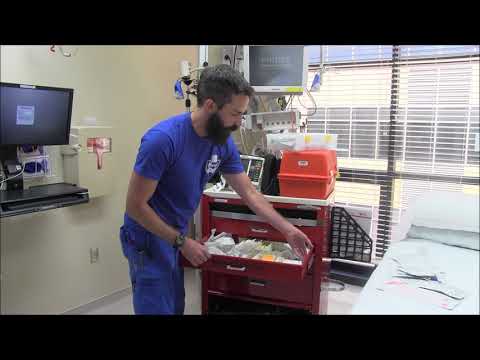
Image taken from the YouTube channel UMC MICU , from the video titled Crash Cart: 101 .
Essential Mock Code Equipment for Simulation Fidelity
High-fidelity simulation requires a complete set of airway tools, cardiac monitors, and mock medications to mirror real-life clinical environments.
To achieve maximum training ROI, mock code equipment must bridge the gap between theoretical knowledge and muscle memory. When a clinician reaches for a tool during a high-stress cardiac arrest, the tactile response should be identical to the equipment used in a live patient encounter.
Using authentic, albeit non-functional or expired, clinical resuscitation equipment allows learners to master the physical nuances of the task. This includes the specific weight of a stainless steel laryngoscope handle and the resistance felt when threading a stylet through an endotracheal tube.
For a robust simulation experience, ensure your training cart includes the following hardware:
- Laryngoscope blades (Miller and Macintosh varieties) and handles to practice visualization.
- ET tubes of various sizes to facilitate realistic intubation sequencing.
- Bag-valve masks (BVM) to reinforce proper seal and ventilation volume.
- IV start kits and extension sets for vascular access drills.
- Intraosseous (IO) needles and drivers for advanced access scenarios.
The goal is to eliminate "sim-isms"—those moments where a participant has to pretend a piece of equipment is present or functional. When the mock code equipment feels real, the learner's brain treats the drill with the same urgency as a real emergency.
Tactile realism is the primary driver of skill retention in emergency drills.
By prioritizing the physical components of the resuscitation kit, educators can create a "safe-to-fail" environment that builds genuine clinical competence. This investment in physical fidelity pays dividends when staff face actual life-and-death situations on the floor.
Moving from general supplies to the fiscal realities of simulation management.
Building a Low-Cost Cart: The Expired Supply Strategy
Using expired clinical supplies for mock codes is a cost-effective strategy that provides tactile realism without the expense of new medical stock.
Ethical Sourcing of Expired Clinical Goods
Nursing Professional Development (NPD) practitioners can significantly stretch their budgets by establishing a pipeline for expired mock code equipment. Start by partnering with your facility’s supply chain department and pharmacy leads. Many items, such as IV tubing, syringes, and oxygen masks, are discarded immediately upon reaching their expiration date despite being physically intact.
Create a formalized "Simulation Retrieval" bin in central supply where staff can drop off recently expired items rather than sending them to the landfill. This circular economy within the hospital not only saves thousands of dollars but also ensures that the training cart always features the exact brands and models used in the clinical units.
Safety Labeling for Training Materials
While expired goods provide unmatched realism, they pose a significant safety risk if they accidentally migrate back into clinical circulation. Every single piece of mock code equipment sourced from expired stock must be clearly and permanently marked. Use high-visibility "For Training Use Only" stickers or bright neon permanent markers to deface the packaging and the items themselves.
Medication vials should be drained and refilled with distilled water or saline, then capped with distinctively colored tape. This practice prevents the accidental administration of expired or incorrect medications during a real code. Maintaining a strict inventory log of these training items is essential for regulatory compliance and patient safety.
NPD practitioners can save thousands by partnering with pharmacy and supply chain departments for expired inventory.
By repurposing these materials, educators can provide a high-fidelity experience that includes opening sterile packaging and assembling complex kits—actions often skipped in lower-budget drills. This hands-on practice is vital for reducing "door-to-needle" times in actual resuscitation events.
Once the supplies are secured, technical mastery of the electronics becomes the focus.
Optimizing Defibrillator Settings for Training Scenarios
Practicing manual defibrillation settings and synchronized cardioversion during drills ensures staff can operate equipment under high-stress conditions.
Manual vs. AED Mode Instruction
While many clinicians are comfortable with Automated External Defibrillator (AED) prompts, mastery of manual defibrillation is a hallmark of advanced life support. Training should emphasize the transition from AED mode to manual mode, allowing the team leader to control the timing of shocks and energy levels. This technical proficiency with mock code equipment reduces the "hands-off" time during chest compressions.
Synchronized Cardioversion Practice
One of the most common errors in simulation is the failure to engage the "Sync" button during a tachyarrhythmia with a pulse. Drills must include scenarios that require synchronized cardioversion, forcing the operator to identify the R-wave markers on the monitor. Mastering this specific interface interaction prevents the delivery of an unsynchronized shock, which could inadvertently cause R-on-T induced ventricular fibrillation.
| Rhythm Encountered | Recommended Joule Setting |
|---|---|
| VF/Pulseless VT | 200J (Biphasic) |
| SVT/Atrial Flutter | 50J - 100J |
| Monomorphic VT (with Pulse) | 100J |
| Polymorphic VT (Torsades) | 200J (Defibrillation) |
Using a rhythm generator or a simulator skin, allow participants to practice the "Charge, Clear, Shock" sequence repeatedly. This builds the muscle memory needed to handle defibrillation equipment safely and efficiently when every second counts.
Technical proficiency with the defibrillator interface is as critical as the rhythm recognition itself.
Encourage staff to troubleshoot common monitor issues, such as "poor lead contact" or "low battery" alerts, during the drill. This level of technical familiarity ensures that the equipment becomes an extension of the provider rather than a hurdle to care.
Technical skills must be paired with logical equipment placement for maximum efficiency.
Strategic Organization of Clinical Resuscitation Equipment
Standardizing the layout of clinical resuscitation equipment ensures that every team member knows exactly where to reach for life-saving tools during a mock code.
Standardizing the Drawer Layout
A training cart should be an exact replica of the facility’s actual crash carts. Cognitive load is at an all-time high during a resuscitation event; if a nurse has to hunt for a flush or an 18-gauge angiocath, the delay can impact patient outcomes. By standardizing the mock code equipment layout, you reinforce the spatial awareness needed for rapid intervention.
- Drawer 1: Medications – Concentrated ACLS drugs, flushes, and pre-filled syringes.
- Drawer 2: Airway – Laryngoscopes, OPA/NPA, and ET tubes organized by size.
- Drawer 3: IV Supplies – Start kits, fluids, and pressure bags for rapid infusion.
Optimizing the Simulation Experience
The layout of your clinical resuscitation equipment should mirror the workflow of the ACLS algorithm. For instance, respiratory tools should be grouped logically so that a single provider can manage the airway without crisscrossing the room. This level of organization is explored deeply in our clinical resuscitation equipment master guide, which highlights how physical environment design influences team dynamics.
Furthermore, the use of clear drawer labels and breakaway seals on the training cart adds a layer of realism. It forces the first responder to "break the seal," a small but psychologically significant act that signals the start of a high-acuity event. This attention to detail ensures the transition from the simulation lab to the bedside is seamless.
A well-organized cart reduces the cognitive load on the code team, allowing them to focus on the resuscitation algorithm.
Regularly auditing the training cart for missing or disorganized items is as important as the drill itself. A disorganized cart leads to "sim-frustration," where learners disengage because the tools they need aren't where they expect them to be. Maintain the standard to maintain the engagement.
Proper organization directly supports the advanced clinical frameworks explored in the parent guide.
This visual demonstration highlights the physical layout required to mimic a standard hospital crash cart, providing a blueprint for your own simulation setup.
Visual Blueprint: Setting Up Your Mock Code Cart
Mock Code Equipment FAQs
Address common logistical and safety concerns regarding the use of training equipment in clinical environments.
How to safely use expired medications in mock codes?
To safely use expired medications in mock codes, clearly label every vial and syringe as "FOR TRAINING ONLY" using neon-colored tape or permanent markers to prevent accidental clinical use.
Keep these supplies in a dedicated training bin or cart separate from the active clinical inventory. This physical segregation ensures that expired drugs never find their way into a real patient room during an actual emergency.
What are the must-have airway adjuncts for a realistic drill?
Essential airway adjuncts for a realistic mock code include a bag-valve mask (BVM), various sizes of oral and nasal airways (OPAs/NPAs), and a complete intubation kit with laryngoscopes and endotracheal tubes.
Incorporating expired or "open-box" suction catheters and CO2 detectors also adds critical steps to the simulation.
These tools force participants to practice the tactile motor skills required for rapid airway stabilization under pressure.
How to simulate a defibrillator discharge without a live patient or expensive mannequin?
You can simulate a defibrillator discharge using a low-cost rhythm generator or "sim box" connected to a standard CPR manikin, allowing for safe energy delivery into a load box rather than a human.
If a load box is unavailable, instructors often use verbal prompts or tablet-based apps to display rhythms while the student operates a decommissioned defibrillator.
Always ensure all clinical staff understand the "hands-off" command even during simulated shocks to build essential muscle memory and safety habits.
Mastering the organization and selection of mock code equipment transforms a simple drill into a high-stakes, effective learning environment. By focusing on realistic setups and resourceful supply management, you provide the best possible preparation for real-world emergencies as outlined in our Mock Code Training: Master Clinical Resuscitation [Pro Guide]. Equip your team with the right tools, and the clinical outcomes will follow.