Non apology examples represent fake expressions of regret that deflect responsibility rather than taking ownership, often using language that subtly blames the recipient for their reaction. While learning how to give a sincere apology is the ultimate goal for emotional intelligence, identifying these defensive patterns is the first step in dismantling toxic communication cycles and fostering true reconciliation within the broader context of healthy human interaction.
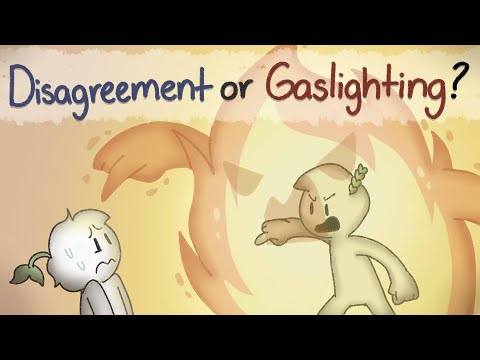
Image taken from the YouTube channel Psych2Go , from the video titled 5 Signs It's Gaslighting, Not a Disagreement .
Common Non Apology Examples and How to Spot Them
A non apology is a statement that mimics the structure of an apology while shifting responsibility from the speaker to the person who was harmed.
At its core, a fake apology functions as a shield rather than a bridge. When looking for non apology examples, the most common red flag is the presence of conditional language. This is often referred to as The Conditional Apology, characterized by the phrase, "I am sorry IF you were offended." By using the word "if," the speaker subtly implies that the harm may not have actually happened, making the victim’s reaction the problem rather than the speaker's behavior.
Another prevalent form is The Blame-Shift. This sounds like, "I am sorry YOU feel that way." This phrasing carefully avoids any admission of wrongdoing. Instead of owning the action, the speaker focuses on the recipient's emotional response, effectively making the recipient's "sensitivity" the subject of the apology. This creates a subtle Responsibility Shift where the victim is left feeling as though they are being apologized to for their own emotions.
We also frequently see The Minimization, where the speaker says, "I am sorry, BUT it was not a big deal." The word "but" cancels out the apology entirely, signaling that the speaker's primary goal is to justify their actions rather than offer restitution. Similarly, The Blanket Apology—"I am sorry for whatever I did"—is a dismissive tactic used to end a conversation without actually reflecting on specific behaviors. Recognizing the 'if' and 'but' is the quickest way to identify a fake apology and protect your emotional boundaries.
Understanding these examples reveals the underlying defensive psychology.
The Anatomy of Defensiveness: Why We Give Fake Apologies
Defensiveness stems from a fragile ego that perceives an admission of guilt as an attack on one's character rather than a mistake in behavior.
When we feel cornered by our own mistakes, the brain's "fight or flight" mechanism often takes over. Instead of engaging in empathy, we engage in Ego Protection. This psychological state makes it nearly impossible to offer a genuine "I'm sorry" because the individual is preoccupied with preserving their self-image as a "good person."
The Fear of Being the Villain
Many people struggle with apologies because they operate within a binary moral framework. In their minds, if they did something wrong, they must be a "bad person." To avoid this painful label, they subconsciously filter their language to remove any admission of fault. This fear transforms a moment of potential connection into a defensive stand, where the priority is to prove they are not the villain of the story.
Cognitive Dissonance in Conflict
Cognitive dissonance occurs when an individual's actions do not align with their self-perception. If someone believes they are kind but acts unkindly, the resulting mental discomfort is high. To resolve this, they may issue a non-apology to bridge the gap without having to change their self-view. This allows them to stay comfortable while leaving the other person's needs unmet. Fake apologies are often a survival mechanism for the ego, serving as a way to "check a box" without undergoing the internal work of true change.
This defensiveness frequently crosses the line into psychological manipulation.
Gaslighting in Apologies: Weaponizing the Word Sorry
Gaslighting occurs in apologies when the speaker attempts to rewrite the narrative, making the victim doubt their own emotional reality.
While some fake apologies are merely defensive, others are intentionally manipulative. When non apology examples involve gaslighting, the goal is Narrative Control. The speaker isn't just avoiding blame; they are actively trying to convince the victim that their memory of the event is flawed or that their feelings are irrational.
Invalidating Emotional Responses
A gaslighting apology often targets the victim’s sanity or stability. By saying things like, "I'm sorry you're so sensitive," the speaker frames the victim's natural reaction as a character flaw. This invalidation is a power move designed to make the victim stop bringing up the issue. It effectively silences the hurt party by making the cost of speaking up too high.
Shifting the Burden of Proof
In these interactions, the burden of proof is shifted onto the person who was harmed. The speaker may demand exhaustive evidence of their wrongdoing, only to dismiss each point with a fresh excuse. This creates a cycle where the victim is perpetually defending their right to be hurt. A gaslighting apology is a tool of control, not reconciliation, aimed at maintaining the status quo rather than repairing the bond.
| Genuine Phrase | Gaslighting Phrase |
|---|---|
| "I am sorry I hurt you." | "I'm sorry you feel hurt." |
| "I take full responsibility." | "I'm sorry if you misunderstood me." |
| "What can I do to make this right?" | "You're making a big deal out of nothing." |
The damage caused by these interactions often outweighs the original offense.
Breaking the Cycle: Moving Toward Authentic Accountability
True healing requires moving away from defensive scripts and learning how to give a sincere apology that focuses on the harm caused rather than the intent.
Breaking the cycle of non apology examples requires a deep commitment to Accountability. It involves recognizing that your intentions—no matter how pure—do not negate the impact of your actions on others. To heal a relationship, one must prioritize the other person’s reality over their own need to feel justified.
Deconstructing the Defensive Reflex
The first step in change is awareness. When you feel the urge to say "I'm sorry, but," you must pause. This reflex is usually a sign that your ego is trying to protect itself. By identifying this moment, you can choose to stay in the discomfort of the mistake. Understanding the mechanics of a real apology helps you move beyond the "if" and "but" trap. Learning to give a sincere apology requires a shift in focus from "how do I look?" to "how is the other person feeling?"
Embracing Radical Ownership
Radical ownership means accepting the consequences of your behavior without making excuses. It involves naming the specific action that caused harm and validating the recipient's pain without caveats. When you stop negotiating the terms of your guilt, you open the door to genuine reconciliation. Authenticity begins where defensiveness ends and accountability starts, creating a foundation for lasting trust and emotional intelligence.
Transitioning to a structured framework ensures that your regret is both heard and felt.
Watch this breakdown to see how defensive language transforms a moment of potential reconciliation into a tool for manipulation.
Visualizing the Impact of Deflection
Common Questions About Non Apology Examples
Understand the nuances of these interactions with these frequently asked questions about identifying and responding to fake apologies.
Why is "I am sorry you feel that way" considered a non-apology?
The phrase "I am sorry you feel that way" is a classic non-apology because it shifts the focus from the speaker's behavior to your emotional reaction.
By framing the problem as your response rather than their specific action, the speaker avoids taking real accountability. This tactic is often used to invalidate your experience and terminate the conversation without reaching a resolution.
How can I tell the difference between a defensive apology and a sincere one?
The primary difference lies in accountability; a sincere apology focuses on the impact of the action, while a defensive apology focuses on the intent behind it.
Genuine apologies are unqualified and centered entirely on the person who was hurt. Defensive apologies, however, often include the word "but" to justify why the behavior occurred, which effectively erases the apology's validity.
What is the most effective way to respond to a non-apology example?
When you receive a non-apology, the most effective response is to calmly point out that the apology lacks accountability for the specific action.
You might say, "I hear that you're sorry I'm upset, but I am looking for an acknowledgment of the behavior that caused this."
Setting this boundary prevents the cycle of gaslighting from continuing. It requires the other person to address the actual issue at hand rather than hiding behind your emotions.
Why do some people include gaslighting in their apologies unintentionally?
Many individuals use gaslighting in apologies as an unconscious defense mechanism to protect their self-esteem from the shame of being wrong.
When someone lacks the emotional intelligence (EQ) to sit with their mistakes, they instinctively pivot the blame to maintain a narrative where they remain the "good person."
This habit is usually a learned behavior designed to avoid the vulnerability required for a truly transformative and honest connection.
Recognizing non apology examples is essential for maintaining healthy boundaries and preventing the emotional erosion caused by gaslighting. Once you can identify these defensive patterns in yourself or others, you are better equipped to transition toward transformative accountability by following a structured path to give a sincere apology that actually heals the relationship and restores lost trust.